


 Research
Chronic obstructive pulmonary disease is a progressing, long-term condition of the respiratory system, which significantly affects patients’ everyday functioning.

This condition is characterized by the presence of intrusive, persistent thoughts (obsessions) and repetitive behaviors or mental acts (compulsions) performed to reduce anxiety, which significantly interfere with daily functioning.

One of the most common complications of being overweight is obstructive sleep apnea (OSA)—a sleep-related breathing disorder characterized by repeated episodes of partial or complete collapse of the upper airway.
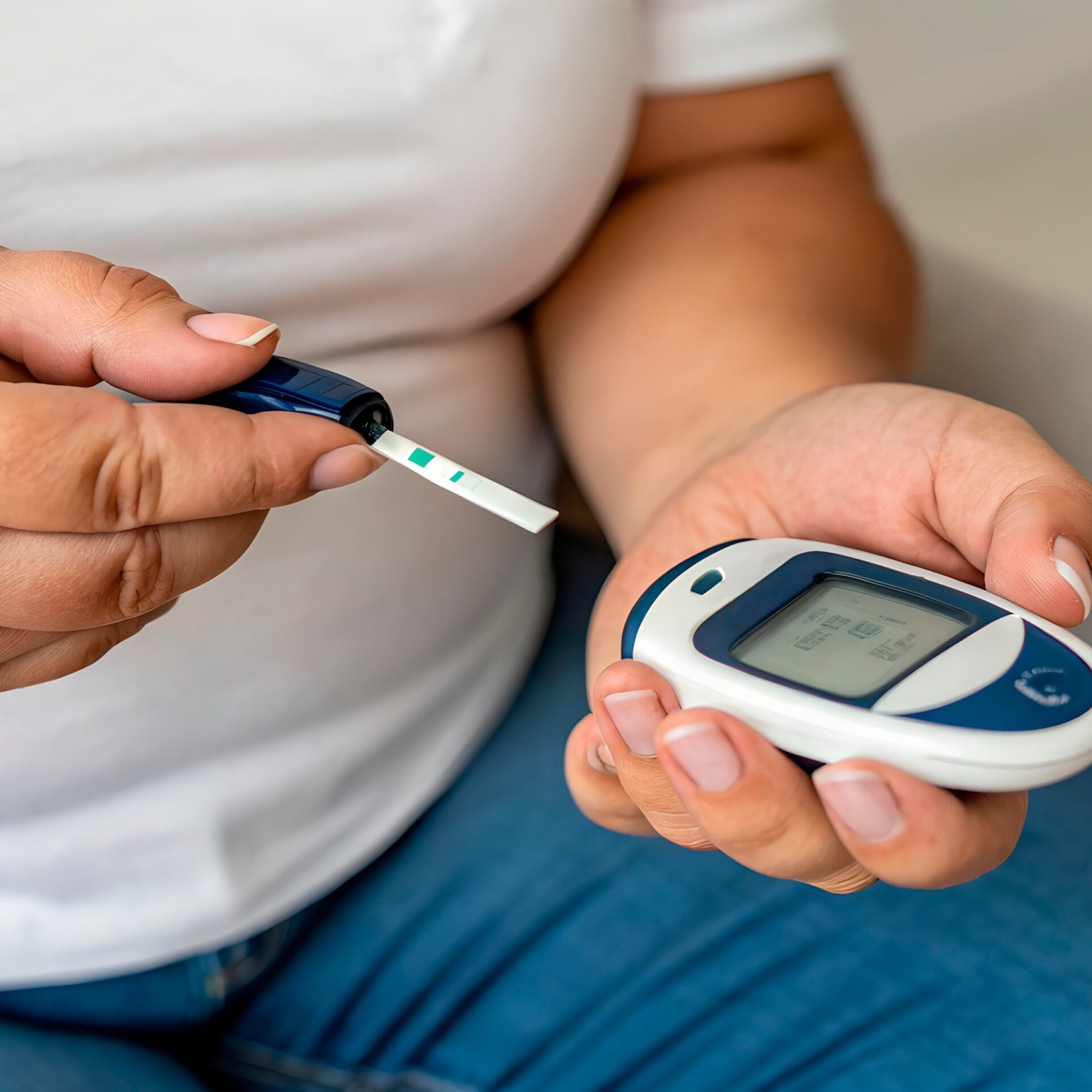
Type 2 diabetes is a lifestyle-related disease that affects modern society, often due to genetic predisposition or obesity resulting from unhealthy lifestyle habits. It is characterized by hyperglycemia, i.e., elevated blood glucose levels.

Dermographism and cold-induced urticaria are types of physical urticaria, in which skin symptoms occur in response to specific external stimuli (e.g., pressure or cold), rather than as a result of an allergy to food or medications.
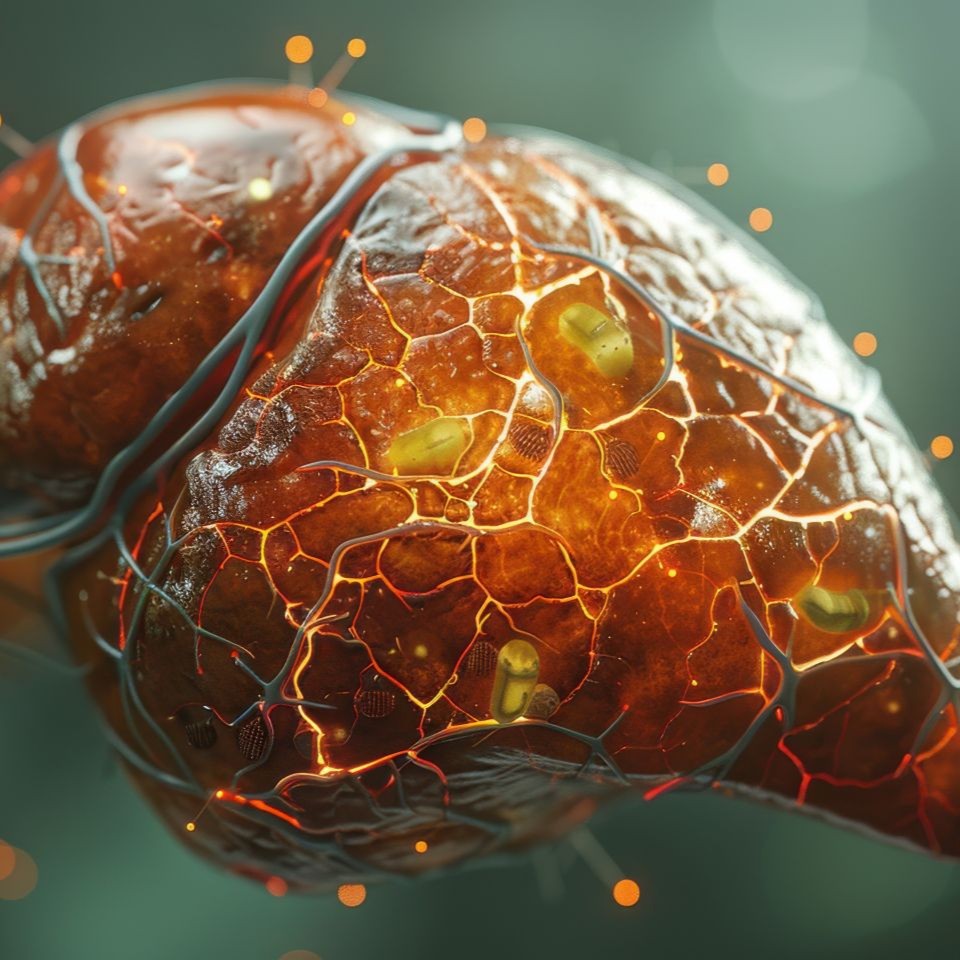
Liver fibrosis is a condition in which scar tissue accumulates in the liver as a result of ongoing damage. At this stage, cirrhosis has not yet developed; however, the condition requires careful monitoring and appropriate diagnosis.

This condition requires careful monitoring and ongoing medical supervision, as elevated blood pressure significantly increases the risk of serious complications. If left untreated, hypertension may lead to myocardial infarction, stroke, heart failure, or kidney damage.
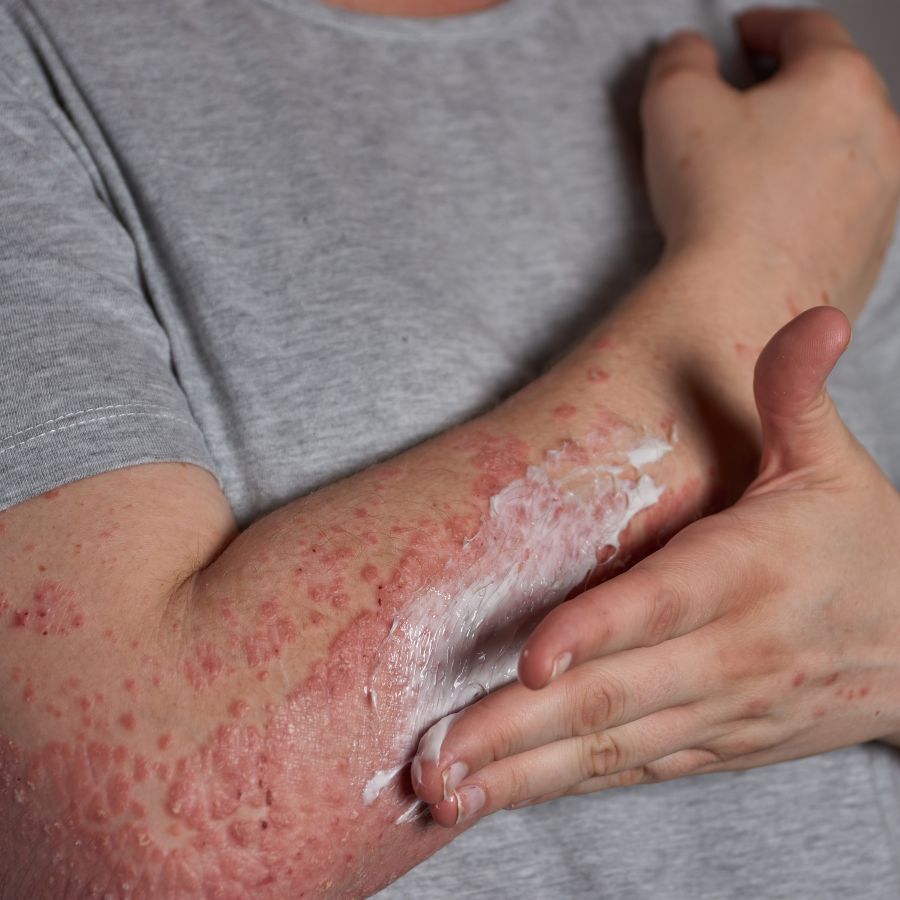
This is a rare form of psoriasis characterized by the presence of sterile pustules, redness, and painful inflammatory lesions affecting the hands and feet. The condition is inflammatory in nature and typically follows a course marked by periods of exacerbation and remission.

Prostate cancer is one of the most common cancers in men, characterized by the development of a malignant tumour in the prostate. Early detection and proper treatment are crucial for improving patient outcomes.

Ulcerative colitis (UC) is a chronic inflammatory bowel disease that causes inflammation and ulceration in the lining of the large intestine (colon).

Prurigo is a chronic skin condition characterized by persistent itching and the appearance of inflamed nodules, often covered with scabs due to scratching. It is a condition associated with an excessive skin response to various stimuli.

Spasticity is abnormal, increased muscle tone, manifested by resistance to muscle stretching. It may be a consequence of an experienced stroke or injury.

Schizophrenia is a mental illness that belongs to psychotic disorders. It involved an inadequate perception, reception, and evaluation of reality.
Prostate cancer is one of the most common cancers in men, characterized by the development of a malignant tumour in the prostate. Early detection and proper treatment are crucial for improving patient outcomes.

Chronic rhinosinusitis with polyps is a condition characterized by long-term inflammation of the nasal and sinus mucosa, which leads to the formation of polyps.

Asthma is a chronic inflammation of respiratory track, leading to its hyperresponsiveness and narrowing. It manifests itself with recurrent attacks of shortness of breath, wheezing, coughing, and chest tightness. The condition is often exacerbated by allergens, infections, or physical exertion.
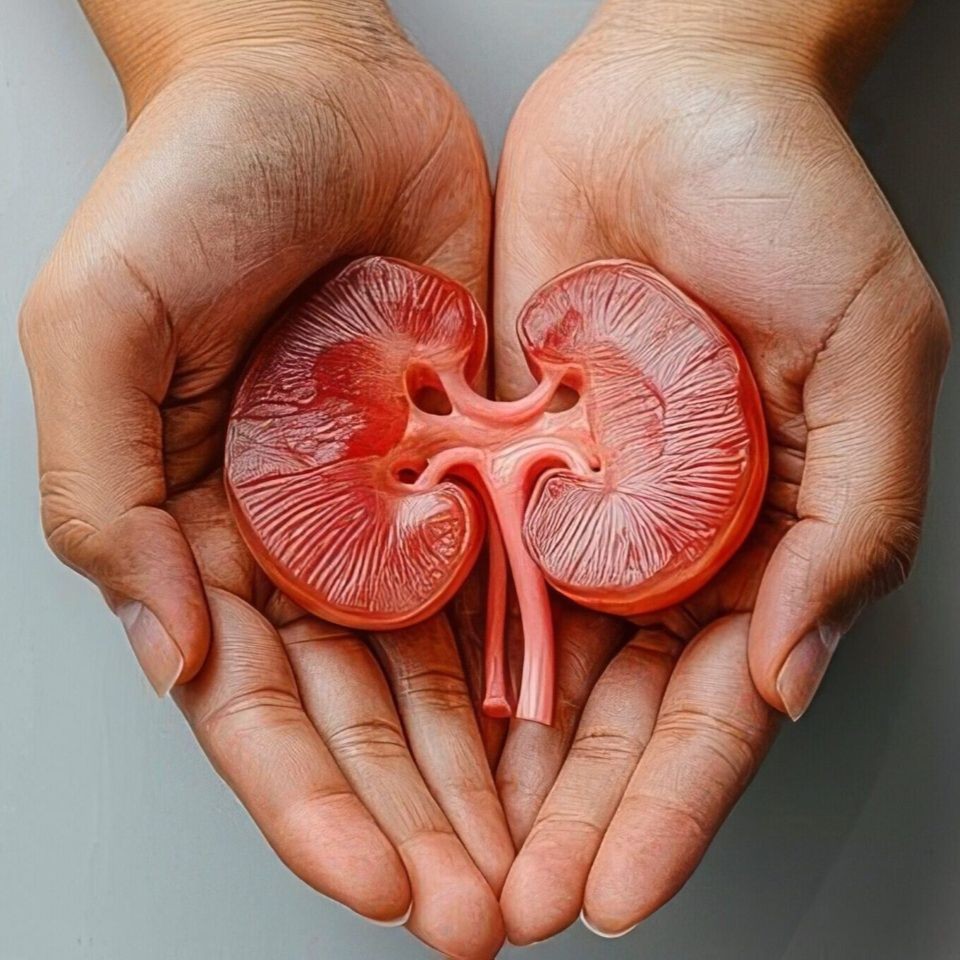
Chronic kidney disease (CKD) combined with hypertension (HTN) constitute a serious therapeutic challenge due to both conditional affecting each other mutually.

Primary progressive multiple sclerosis (MS) is characterized by a constant progress of the disease from the very beginning. Appearing symptoms of MS do not recede, and they increase with time, leading to the deterioration of neurological function and increased disability.

Persons who are overweight or suffer from obesity and other coexisting diseases, e.g. cardiovascular diseases, diseases of a circulatory system, knee joint degeneration.

Liver cirrhosis associated with metabolic fatty liver disease is a condition that develops in people who have excessive fat accumulation in their liver cells, even though they do not consume alcohol excessively.
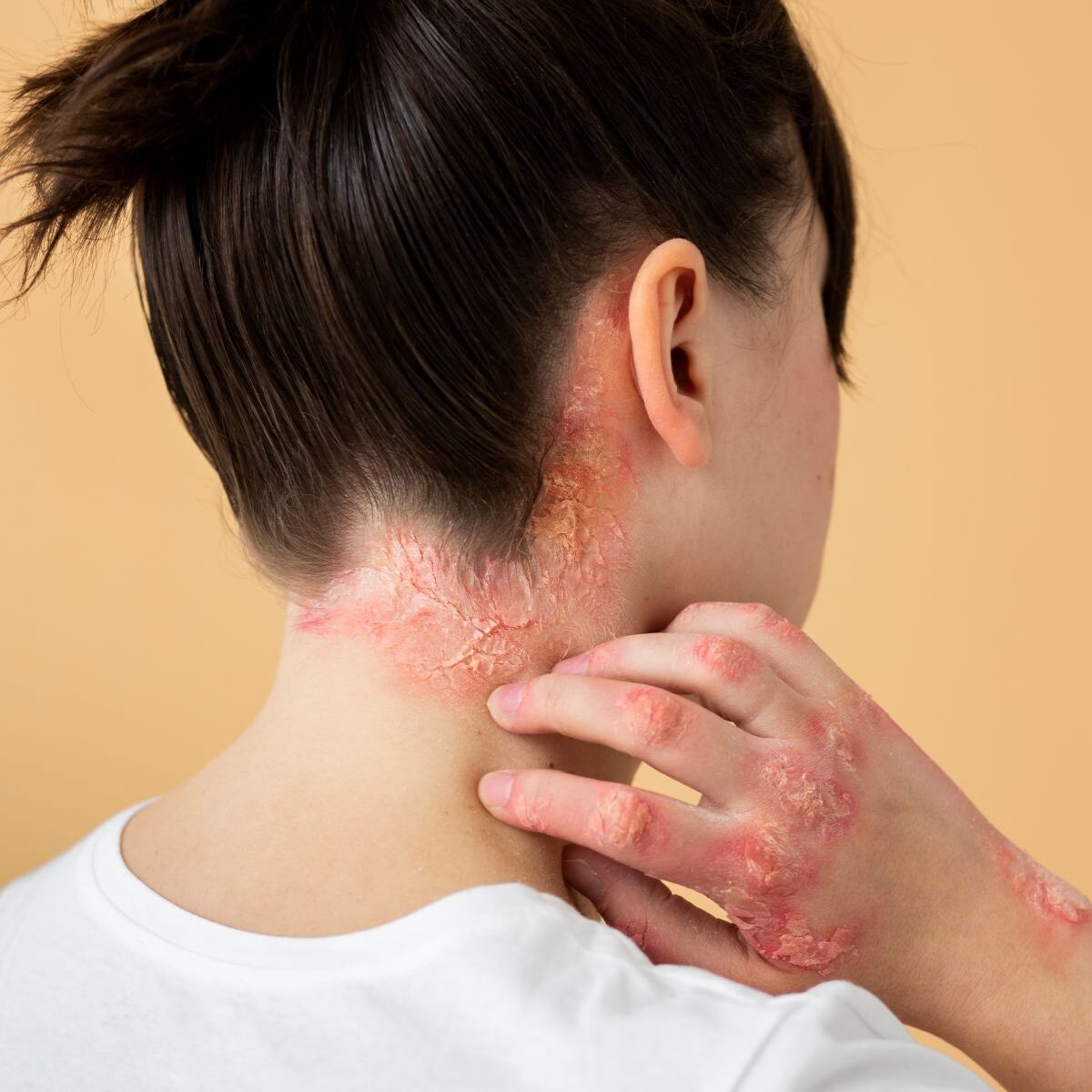
Psoriasis is a chronic, autoimmune disease with symptoms of numerous dermatological changes, with periodic remissions and exacerbations.

COVID-19 disease caused by SARS-CoV-2 coronavirus mostly affects the respiratory system and can result in serious health consequences for older people and those with existing chronic diseases.

Depression is a common mental health disorder classified as a mood disorder. It is characterized by persistent sadness and/or an inability to experience pleasure. It also alters sleep and appetite, increases fatigue, and impairs concentration.

Type 2 diabetes significantly increases the risk of heart failure, as long-term increased blood sugar level leads to damaging blood vessels and the heart muscle. These processes cause inflammations and buildup of harmful substances in tissues, which weakens the heart’s function.
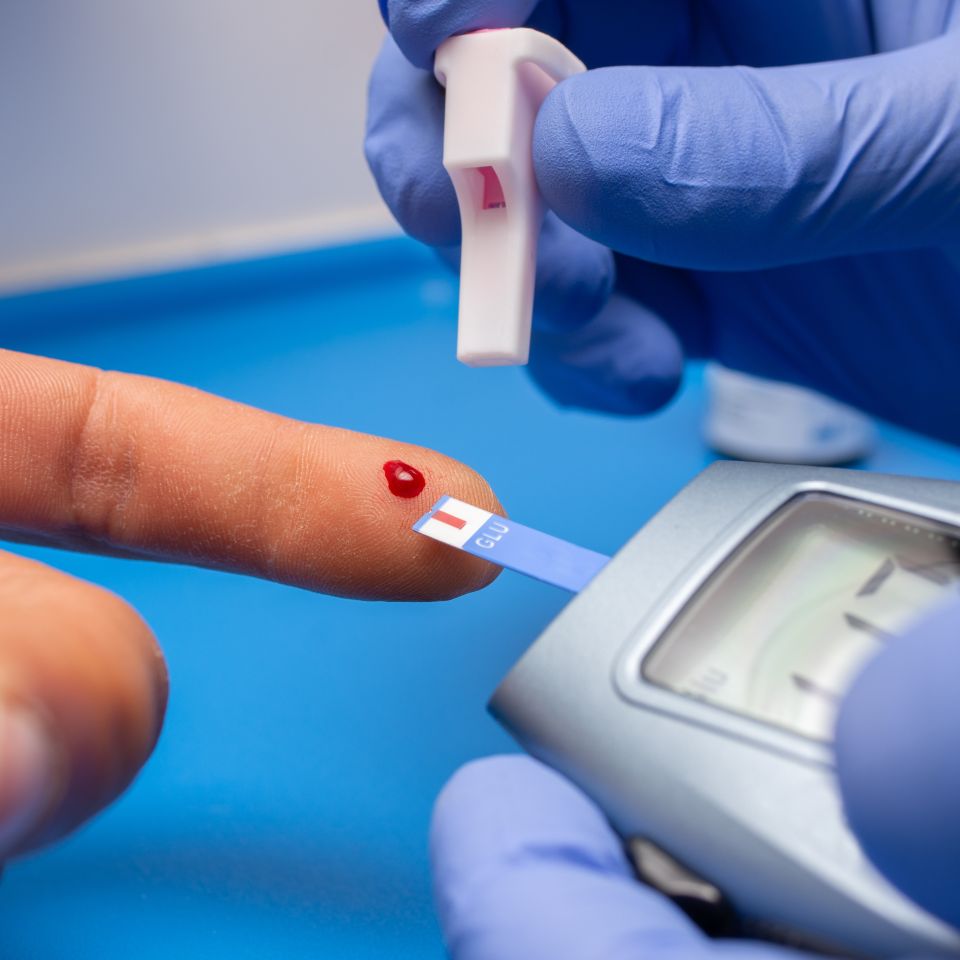
Diabetes is a chronic disease of a metabolic character, also called mellitus. Its direct cause is an incorrect glucose metabolism in blood.

Gastroesophageal reflux disease is a chronic condition in which the stomach content flows back into the esophagus. It causes irritation of its mucous membrane and shows most frequently as heartburn, retrosternal pain, burping, or regurgitation.

Crohn's disease is a chronic inflammatory bowel disease that can affect any part of the digestive tract, from the mouth to the anus, although it most often affects the final section of the small intestine (ileum) and the initial part of the large intestine.

Alzheimer's disease is a degenerative brain condition whose symptoms include progressive memory and behavioural disorders that, over time, completely prevent the patient from correct functioning in everyday life.

Nonsegmental vitiligo, also known and generalized vitiligo, is a chronic skin disease characterized by the loss of skin pigment, leading to the formation of white spots.

Step 1

Do you want to participate in a clinical trial? It’s simple. You just need to fill in a short registration form. Our team will contact you for an initial interview to check if the trial is suitable for you. Don’t worry, we will answer all your questions!
Step 2

After the initial qualification, we will invite you for an appointment with a doctor conducting the trial. The doctor will be available for you to tell you more about the trail, discuss any possible doubts and check the condition of your health.
The appointment is free-of-charge and non-committal.
Step 3

You are completely free to make your own decision about participating in the trial. After the meeting, you will have time to think through all the information. If you decide to participate, we will sign suitable documents and get you ready for next steps.
Step 4

After you make a decision, the actual part of the trial starts. You can always count on our support and use regular consultations.