


 Research
Schizophrenia is a mental illness that belongs to psychotic disorders. It involved an inadequate perception, reception, and evaluation of reality.

A condition in which excess body weight coexists with cardiovascular diseases. The coexistence of these conditions increases the risk of complications and requires a comprehensive therapeutic approach and new treatment methods.

This condition requires careful monitoring and ongoing medical supervision, as elevated blood pressure significantly increases the risk of serious complications. If left untreated, hypertension may lead to myocardial infarction, stroke, heart failure, or kidney damage.
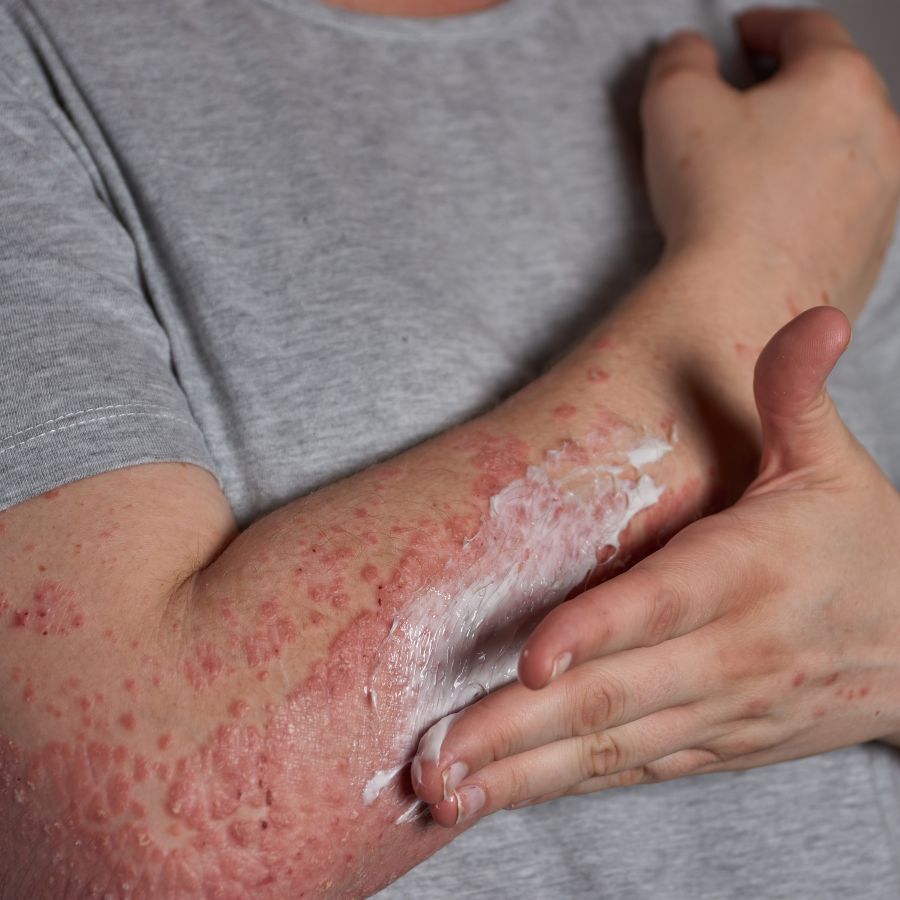
This is a rare form of psoriasis characterized by the presence of sterile pustules, redness, and painful inflammatory lesions affecting the hands and feet. The condition is inflammatory in nature and typically follows a course marked by periods of exacerbation and remission.

Prostate cancer is one of the most common cancers in men, characterized by the development of a malignant tumour in the prostate. Early detection and proper treatment are crucial for improving patient outcomes.

GAD is a chronic mental disorder characterized by excessive, persistent worry about various areas of life, including health, work, family, or daily responsibilities. Anxiety is often accompanied by somatic symptoms such as muscle tension, sleep problems, difficulty concentrating, or feelings of constant fatigue.

Focal-onset epilepsy is a neurological disease characterized by recurrent seizures that begin in a specific, limited area of one hemisphere of the brain (the focus), causing a variety of symptoms depending on the location.

Nonsegmental vitiligo, also known and generalized vitiligo, is a chronic skin disease characterized by the loss of skin pigment, leading to the formation of white spots.
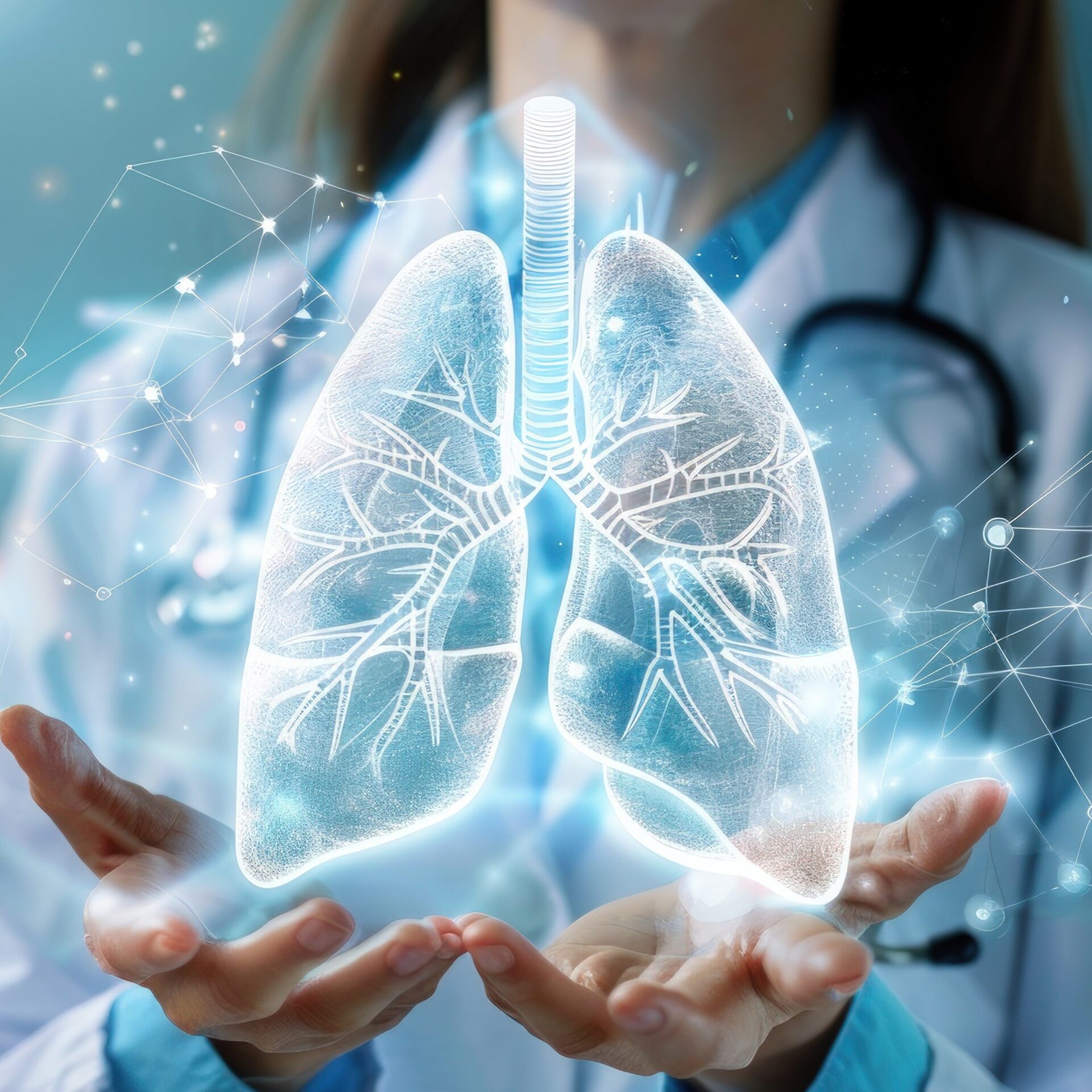
Chronic obstructive pulmonary disease is a progressing, long-term condition of the respiratory system, which significantly affects patients’ everyday functioning.

Gastroesophageal reflux disease is a chronic condition in which the stomach content flows back into the esophagus. It causes irritation of its mucous membrane and shows most frequently as heartburn, retrosternal pain, burping, or regurgitation.

COVID-19 disease caused by SARS-CoV-2 coronavirus mostly affects the respiratory system and can result in serious health consequences for older people and those with existing chronic diseases.

Hypertension is a frequently experienced health problem, which can leave no symptoms for a long time, and still increase the risk of serious heart, brain, and kidney diseases. Early diagnosis and proper control of hypertension allow to significantly reduce the risk.
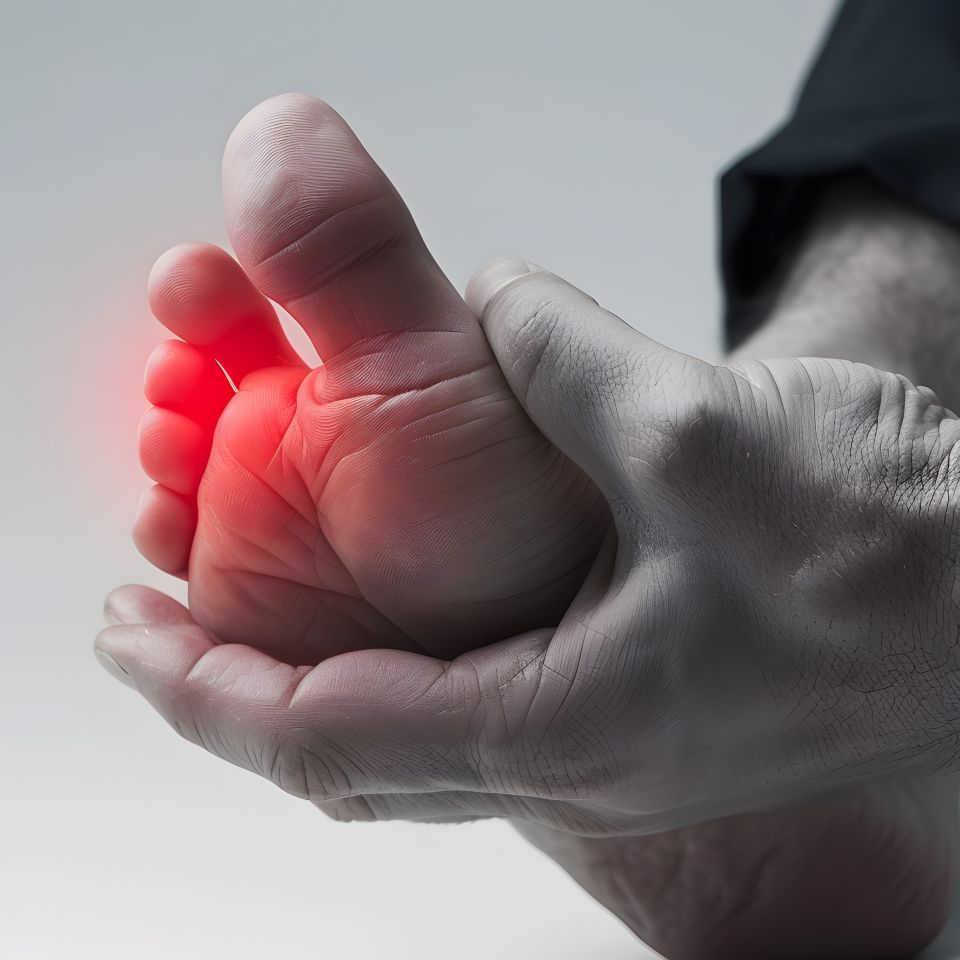
Peripheral neuropathy is a condition that can significantly impact daily functioning, causing pain, numbness, and muscle weakness. Early diagnosis and proper treatment can slow the progression of the disease and improve the standard of life.

A chronic, inflammatory ski disease characterized by painful abscesses and fistulas, most often in the axillary, groin or submammary areas, which significantly reduces the quality of life and can lead to serious complications and scarring.

Asthma is a chronic inflammation of respiratory track, leading to its hyperresponsiveness and narrowing. It manifests itself with recurrent attacks of shortness of breath, wheezing, coughing, and chest tightness. The condition is often exacerbated by allergens, infections, or physical exertion.

Type 2 diabetes significantly increases the risk of heart failure, as long-term increased blood sugar level leads to damaging blood vessels and the heart muscle. These processes cause inflammations and buildup of harmful substances in tissues, which weakens the heart’s function.
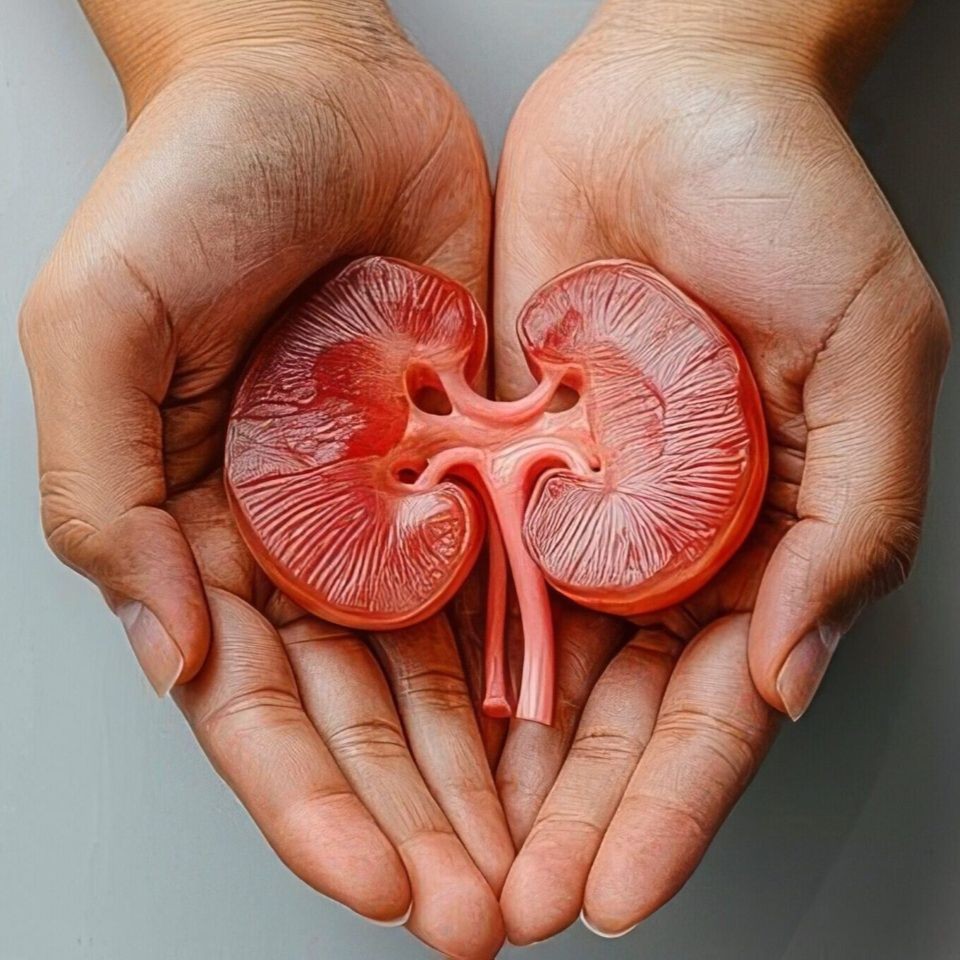
Chronic kidney disease (CKD) combined with hypertension (HTN) constitute a serious therapeutic challenge due to both conditional affecting each other mutually.

Migraine is categorized as a so-called primary headaches, meaning those that do not result from other underlying medical conditions. It is characterized by the recurrence of headaches, sometimes accompanied by additional neurological symptoms.

Chronic rhinosinusitis with polyps is a condition characterized by long-term inflammation of the nasal and sinus mucosa, which leads to the formation of polyps.

Liver cirrhosis associated with metabolic fatty liver disease is a condition that develops in people who have excessive fat accumulation in their liver cells, even though they do not consume alcohol excessively.
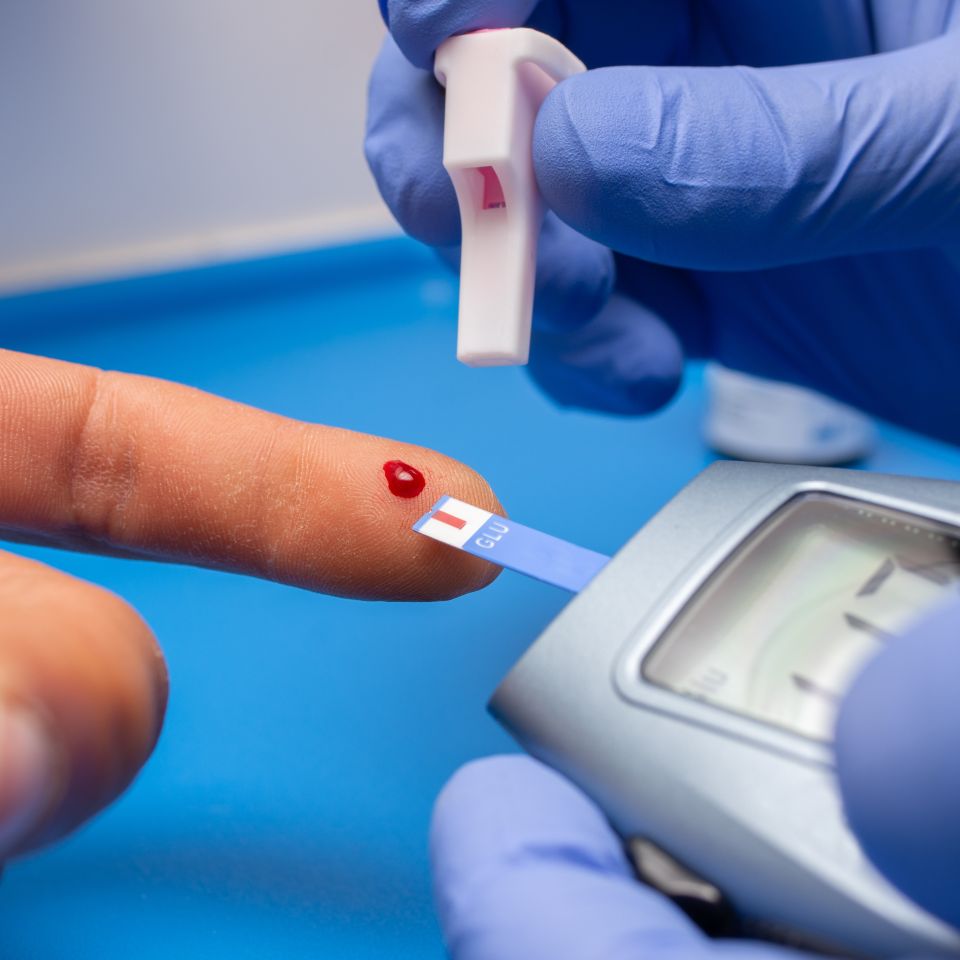
Diabetes is a chronic disease of a metabolic character, also called mellitus. Its direct cause is an incorrect glucose metabolism in blood.

Prurigo is a chronic skin condition characterized by persistent itching and the appearance of inflamed nodules, often covered with scabs due to scratching. It is a condition associated with an excessive skin response to various stimuli.

Hives is a skin condition characterized by specific wheals, redness, and itching. Hives is often accompanied by swelling known as angioedema.
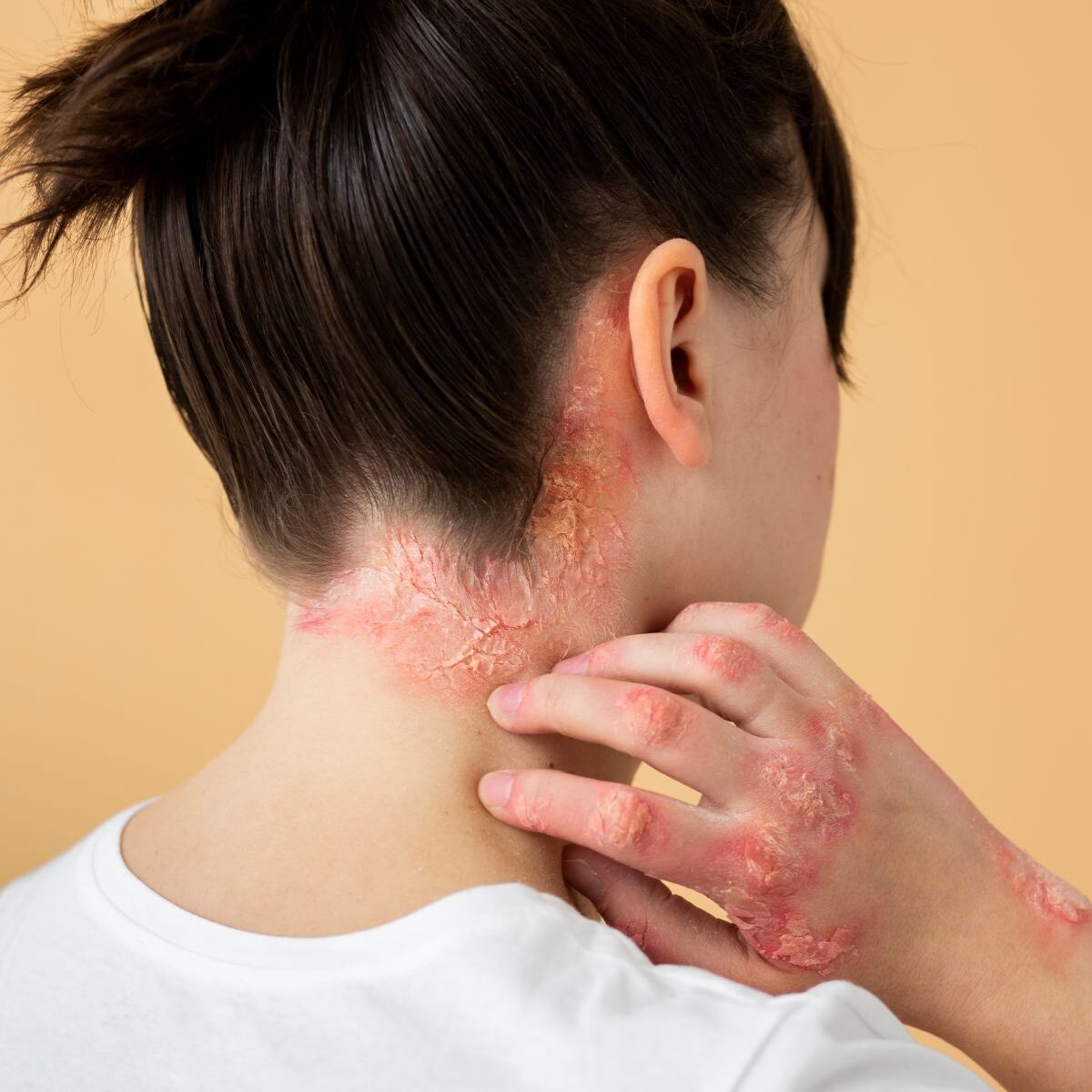
Psoriasis is a chronic, autoimmune disease with symptoms of numerous dermatological changes, with periodic remissions and exacerbations.
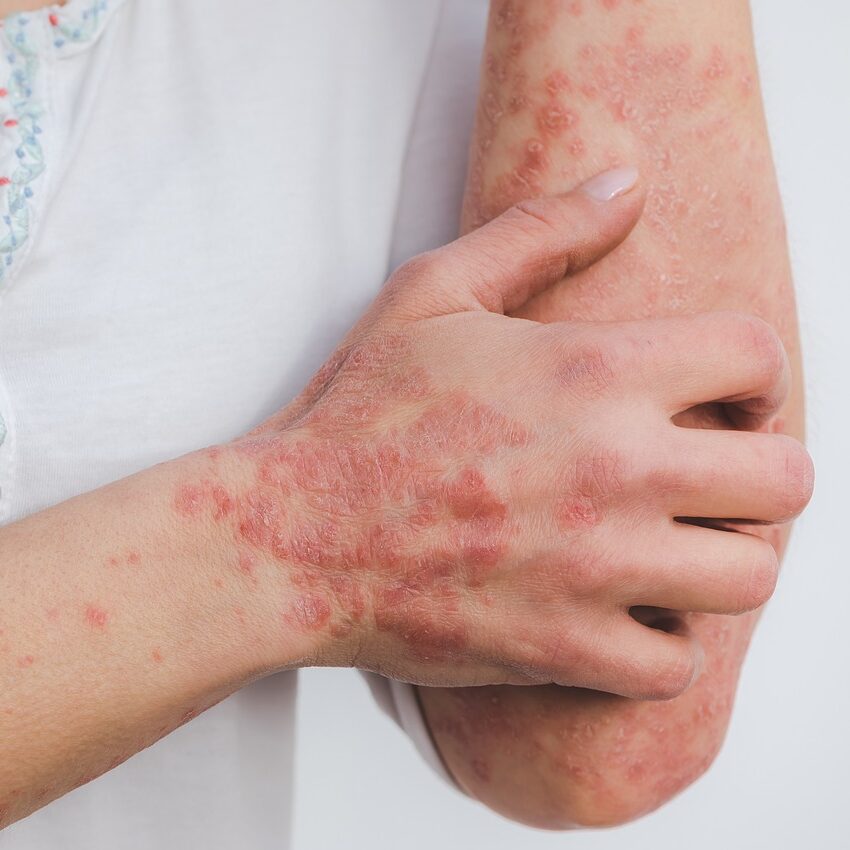
Atopic dermatitis is a condition that can impact the comfort of daily life. Unesthetic redness can affect the sick person's appearance, which can lead to lower self-esteem.

Ulcerative colitis (UC) is a chronic inflammatory bowel disease that causes inflammation and ulceration in the lining of the large intestine (colon).

Spasticity is abnormal, increased muscle tone, manifested by resistance to muscle stretching. It may be a consequence of an experienced stroke or injury.

Alzheimer's disease is a degenerative brain condition whose symptoms include progressive memory and behavioural disorders that, over time, completely prevent the patient from correct functioning in everyday life.

A program aimed at patients experiencing excessive agitation due to physical aggression, excessive motor activity or verbal aggression.

Persons who are overweight or suffer from obesity and other coexisting diseases, e.g. cardiovascular diseases, diseases of a circulatory system, knee joint degeneration.

Crohn's disease is a chronic inflammatory bowel disease that can affect any part of the digestive tract, from the mouth to the anus, although it most often affects the final section of the small intestine (ileum) and the initial part of the large intestine.
Prostate cancer is one of the most common cancers in men, characterized by the development of a malignant tumour in the prostate. Early detection and proper treatment are crucial for improving patient outcomes.

Depression is a common mental health disorder classified as a mood disorder. It is characterized by persistent sadness and/or an inability to experience pleasure. It also alters sleep and appetite, increases fatigue, and impairs concentration.

Diabetic neuropathy is the most common complication of diabetes. It brings damage to peripheral nerves caused by excessively high blood glucose levels.
Rheumatoid arthritis is a systemic connective tissue disease characterized by symmetrical, non-specific joint inflammation. It is also accompanied by extra-articular symptoms and systemic complications. Rheumatoid arthritis has a progressive course and, if left untreated, inevitably leads to disability.
Nonspecific back pain is a medical term that describes back pain whose cause cannot be clearly identified using standard imaging tests, such as X-rays or MRIs. This means that although the patient experiences the pain, the specific underlying disease or injury cannot be identified.
Psoriatic arthritis is an inflammatory joint disease that occurs in the course of psoriasis. It belongs to seronegative spondyloarthropathies. It often begins in the interphalangeal joints and often affects only one side.
Multiple sclerosis is a chronic, inflammatory, demyelinating disease of the central nervous system that causes multifocal damage to nerve tissue. The disease usually has a phasic course, with periods of exacerbation and remission.
Primary progressive multiple sclerosis (MS) is characterized by a constant progress of the disease from the very beginning. Appearing symptoms of MS do not recede, and they increase with time, leading to the deterioration of neurological function and increased disability.
Primary progressive multiple sclerosis (MS) is characterized by a constant progress of the disease from the very beginning. Appearing symptoms of MS do not recede, and they increase with time, leading to the deterioration of neurological function and increased disability.
Acne is a common skin condition experienced by both teenagers and adults. It is characterized by blackheads, papules, pustules and purulent cysts, mainly on the face, neck, arms, upper back and chest.
Secondary progressive non-relapsing multiple sclerosis (MS) is a form of MS in which an initial period of relapsing-remitting course of disease (RRMS) is followed by a gradual, continuous deterioration of neurological function without marked relapses.
Chronic kidney disease (CKD) is a condition that often accompanies diabetes, especially type 2 diabetes. At the same time, diabetes is one of the most frequent reasons for CKD, and this condition is called diabetic nephropathy.
Type 2 diabetes is a civilizational disease experienced by today’s societies due to genetic predisposition or obesity, caused by an unhealthy lifestyle. It is characterized by the occurrence of hyperglycaemia, i.e., elevated blood glucose levels.
Sleep disorders can involve abnormal sleep duration or undesirable behaviours when sleeping. This is a serious clinical problem that impacts the patients’ daily functioning, sometimes preventing them from conducting normal life activities.
AD is a problem experienced both by adults and children. According to epidemiology statistics, persons under 18 experience this disease almost 10 time more often than adults.
Hepatic encephalopathy is a set of neuropsychiatric symptoms caused by a serious liver disease, most often cirrhosis.
Program directed to children and teenagers of 6 to 18 years of age with diagnosed alopecia areata
Alopecia areata is a condition leading to localized hair loss, most commonly affecting adult women and men, but also it might also be experienced by children and adolescents. The condition is characterized by sudden hair loss, usually in oval or circular patches.
Childhood psoriasis, similarly to adult psoriasis, is a chronic, autoimmune disease with periodic remissions and exacerbations.
This disease causes stigmatization and leads to different bothersome symptoms, such as itching, burning, sometimes even pain.
Vitiligo is a chronic skin disease characterized by the loss of pigment in the skin, leading to the formation of white patches.
For many people taking antidepressants doesn’t give desired results. A patient condition in which two or more antidepressants have proven ineffective is sometimes called treatment-resistant depression (TRD).
Children’s autism is a complex disorder of development and the functioning of central nervous system, characterized by disruptions in the ability to communicate feelings and build interpersonal relationships.

Bullous pemphigoid is the most common subepidermal autoimmune bullous disease. It occurs in older age, after the age of 65, and rarely affects children.
Borderline personality disorder, also known as borderline pattern personality disorder, is one of two subtypes of emotionally unstable personality disorder, along with the impulsive subtype.
It is a form of schizophrenia which begins earlier than in typical cases. Children’s schizophrenia is characterized by distorted thinking, emotions, and behaviour, which can significantly affect child’s daily functioning.
(Affective) Bipolar disorder (BD) is a disorder characterized by alternating episodes of depression and manic episodes.
Sleep disorders are a common problem among perimenopausal women. Their occurrence significantly impacts the quality of life and can have serious consequences for a woman's health and well-being.
Nonalcoholic steatohepatitis is the most serious form of non-alcoholic fatty liver disease
Lifestyle influences liver health; being overweight and obese can contribute to the development of fatty liver disease, just as the lack of physical activity and taking certain medications (including sedatives, painkillers and hormonal drugs).
Upper respiratory tract infections are inflammatory diseases and are related to a nose, throat, sinuses, larynx, and trachea. They can be caused by various factors, such as viruses and bacteria, and often present as a cold or flu.
HIV belongs to the retrovirus family and primarily attacks cells of the immune system – white blood cells (CD4 T lymphocytes, monocytes, macrophages) located in the blood, bone marrow, gastrointestinal tract, and central nervous system.
Dyslipidaemia is a metabolic disorder affecting lipid metabolism. Abnormalities affect the concentration, composition, and function of individual lipids and lipoproteins in plasma.
Women’s urinary tract infection is an infection of the urinary tract, mainly caused by bacteria, that causes inflammation in the lining of the urinary tract, including the bladder and kidneys.
Osteoarthritis of the knee joint is a chronic and progressive process of destruction of the normal structure of the joint, which included the degeneration of the cartilage, subchondral bone, ligaments, joint capsule, and other elements that make up the joint.
Chronic sinusitis without nasal polyps is a long-term inflammation of the paranasal sinus mucosa that continues for at least 12 weeks without interruption.
RSV (Respiratory Syncytial Virus) is a virus which causes respiratory system infections, especially dangerous for babies, small kids, and the elderly.
The study aims to compare the effectiveness of two vaccines against meningococcal diseases types A, C, W-135 and Y – the investigational product MenQuadfi with the commercially available preparation Nimenrix
Cholangitis is a disease resulting from infection of the bile ducts or an autoimmune reaction. It can occur in acute, chronic, or recurrent purulent forms.
There is currently no effective vaccine for Lyme disease, but this may soon change.

Step 1

Do you want to participate in a clinical trial? It’s simple. You just need to fill in a short registration form. Our team will contact you for an initial interview to check if the trial is suitable for you. Don’t worry, we will answer all your questions!
Step 2

After the initial qualification, we will invite you for an appointment with a doctor conducting the trial. The doctor will be available for you to tell you more about the trail, discuss any possible doubts and check the condition of your health.
The appointment is free-of-charge and non-committal.
Step 3

You are completely free to make your own decision about participating in the trial. After the meeting, you will have time to think through all the information. If you decide to participate, we will sign suitable documents and get you ready for next steps.
Step 4

After you make a decision, the actual part of the trial starts. You can always count on our support and use regular consultations.