

Dermatology is a branch of medicine that deals with the diagnosis and treatment of diseases of the skin, hair, and nails of an inflammatory, immunological, and infectious nature. Common issues include atopic dermatitis, psoriasis, chronic urticaria, acne vulgaris, and alopecia areata. Many of these conditions are chronic and recurrent, and their treatment can often be lengthy and demanding for the patient, both physically and emotionally.
Why are clinical trials in dermatology so important?
Clinical trials are an integral element of developing dermatology; they allow to verify the effectiveness and safety of new particles, biological therapies and targeted treatment methods. Thanks to them, it is possible to transform the latest scientific discoveries into real therapeutic solutions available to patients.


Our trials are carried out by qualified dermatologists and certified clinical research coordinators. We collaborate with experts who combine clinical knowledge with a passion for science.

Our site carried out an extensive range of clinical trials in dermatology, including both oral medications, topical therapies, and modern biological treatments for inflammatory skin diseases. We collaborate with renowned industry partners and research centres, which allows us to offer patients participation in innovative therapeutic projects.

Each study is conducted in accordance with international guidelines (ICH-GCP) and under the constant supervision of a monitoring team. For us, not only the scientific results are important, but above all, patient safety and well-being.

Our research sites are equipped with high quality diagnostic equipment, allowing for a complex assessment of health state and the effectiveness of therapy during the study.
Participating in a trial is not only the possibility to use advanced therapies before they are introduced to common treatment practice. It also means:

Detailed diagnostics
and constant care of specialists

Free-of-charge
treatment as a part of
the trial participation

A real impact on the
development of new
treatment methods

A chance to improve
your quality of life
when suffering from c
hronic or difficult to
treat diseases

Below you’ll find a list of currently conducted clinical trials for which we’re recruiting.
Check if you’re eligible to participate; our specialists will answer your questions and guide you through the entire qualification process.
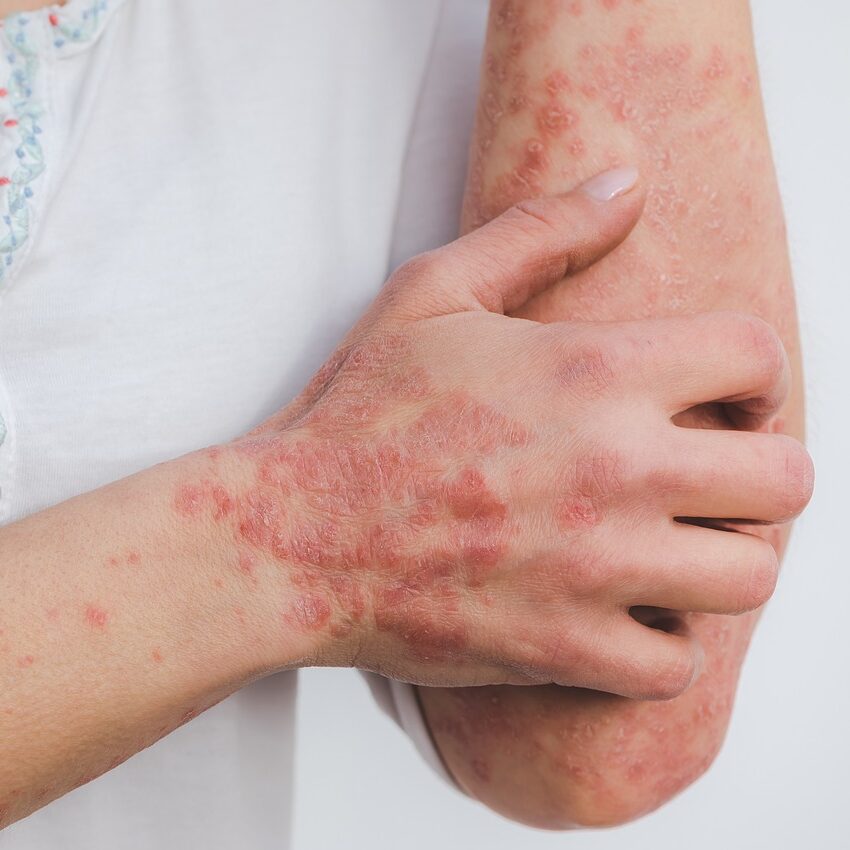
Atopic dermatitis is a condition that can impact the comfort of daily life. Unesthetic redness can affect the sick person's appearance, which can lead to lower self-esteem.
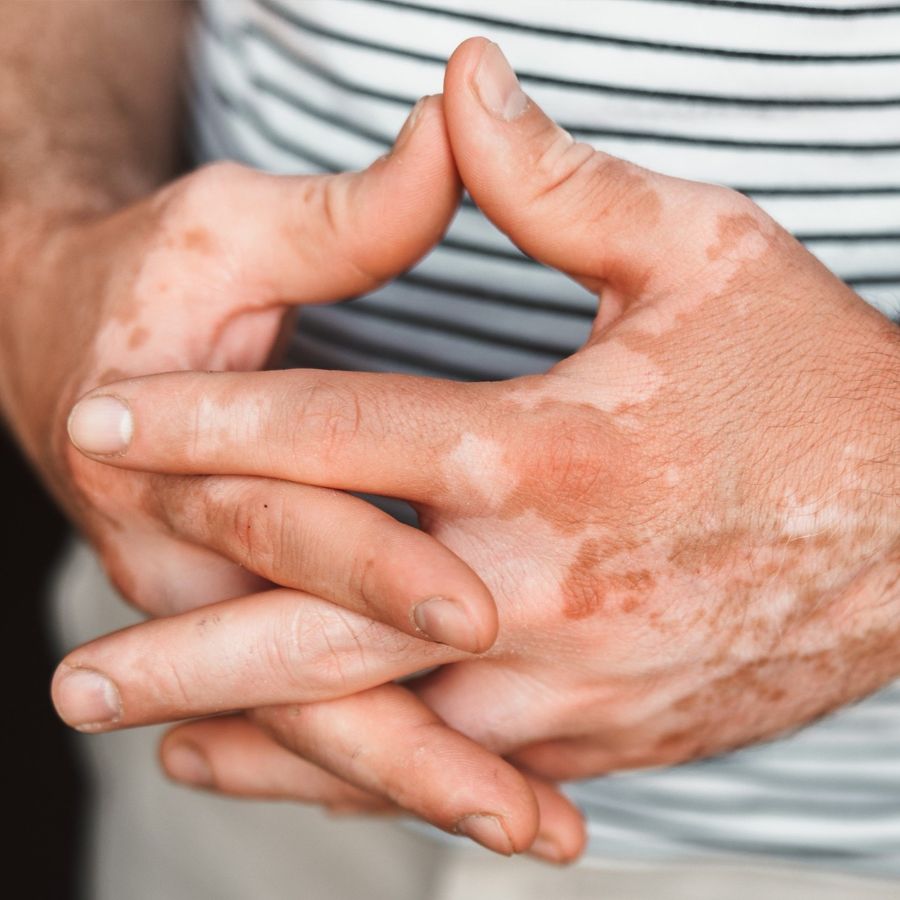
Nonsegmental vitiligo, also known and generalized vitiligo, is a chronic skin disease characterized by the loss of skin pigment, leading to the formation of white spots.
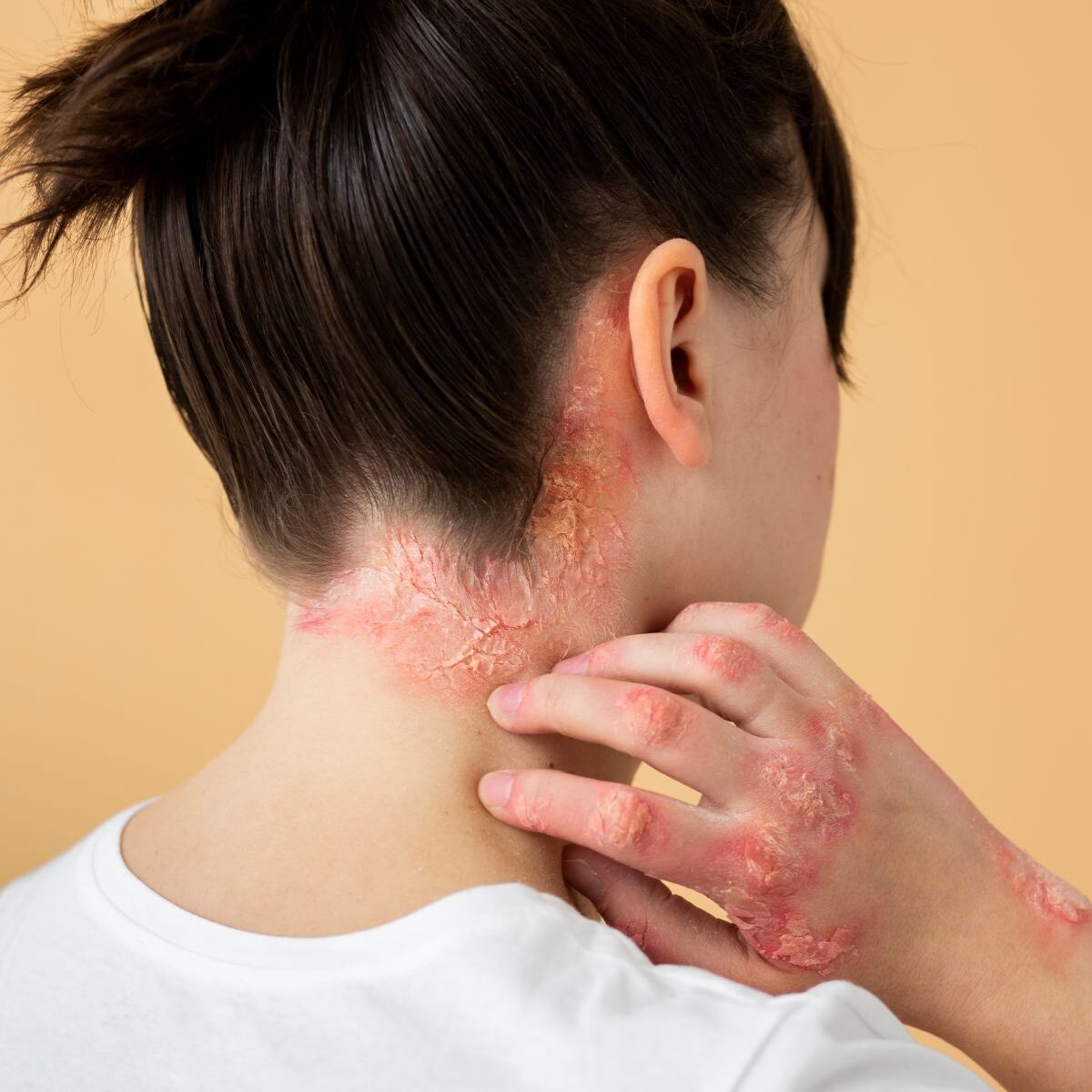
Psoriasis is a chronic, autoimmune disease with symptoms of numerous dermatological changes, with periodic remissions and exacerbations.
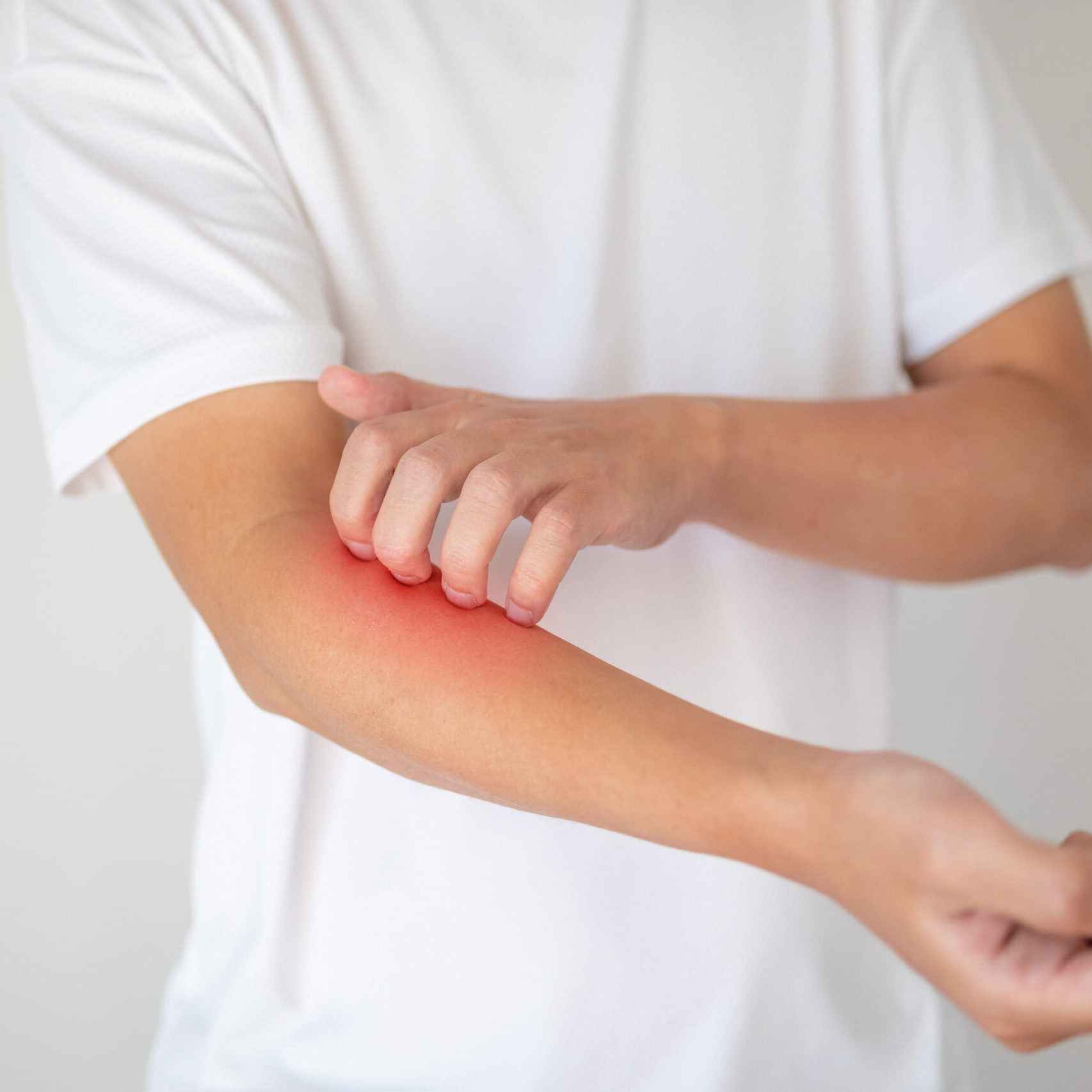
Prurigo is a chronic skin condition characterized by persistent itching and the appearance of inflamed nodules, often covered with scabs due to scratching. It is a condition associated with an excessive skin response to various stimuli.
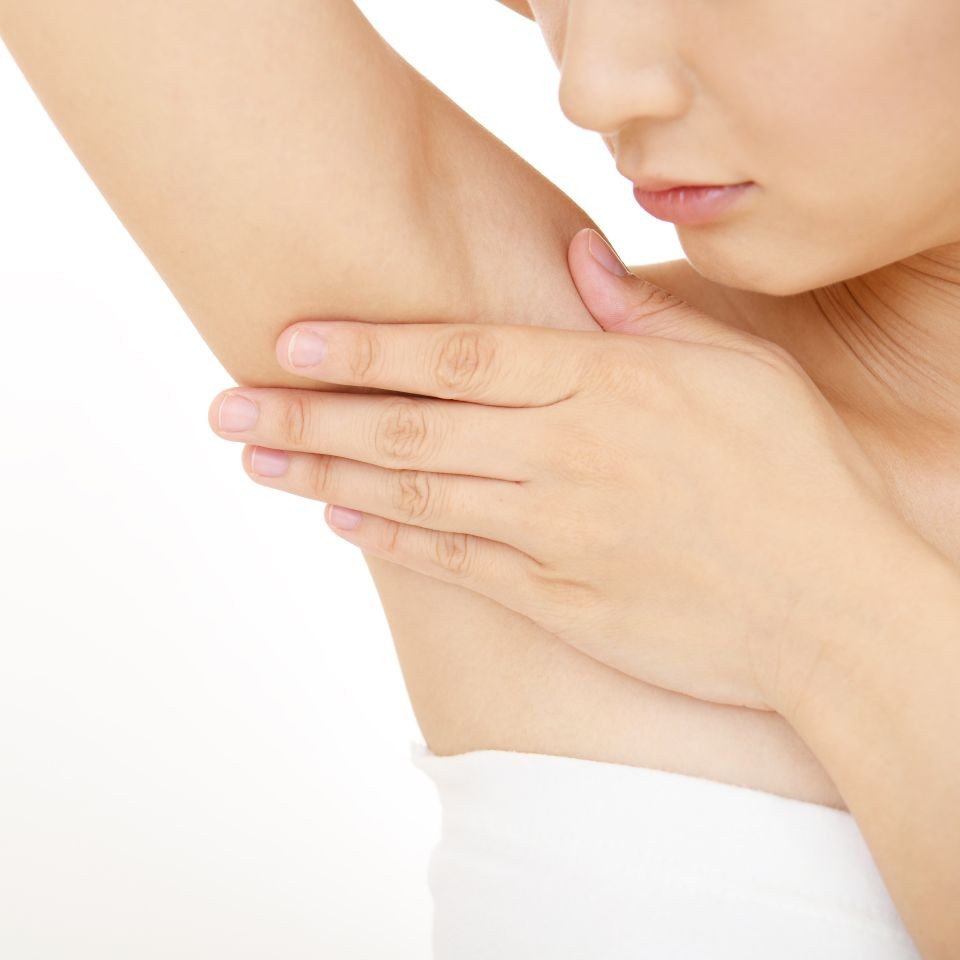
A chronic, inflammatory ski disease characterized by painful abscesses and fistulas, most often in the axillary, groin or submammary areas, which significantly reduces the quality of life and can lead to serious complications and scarring.
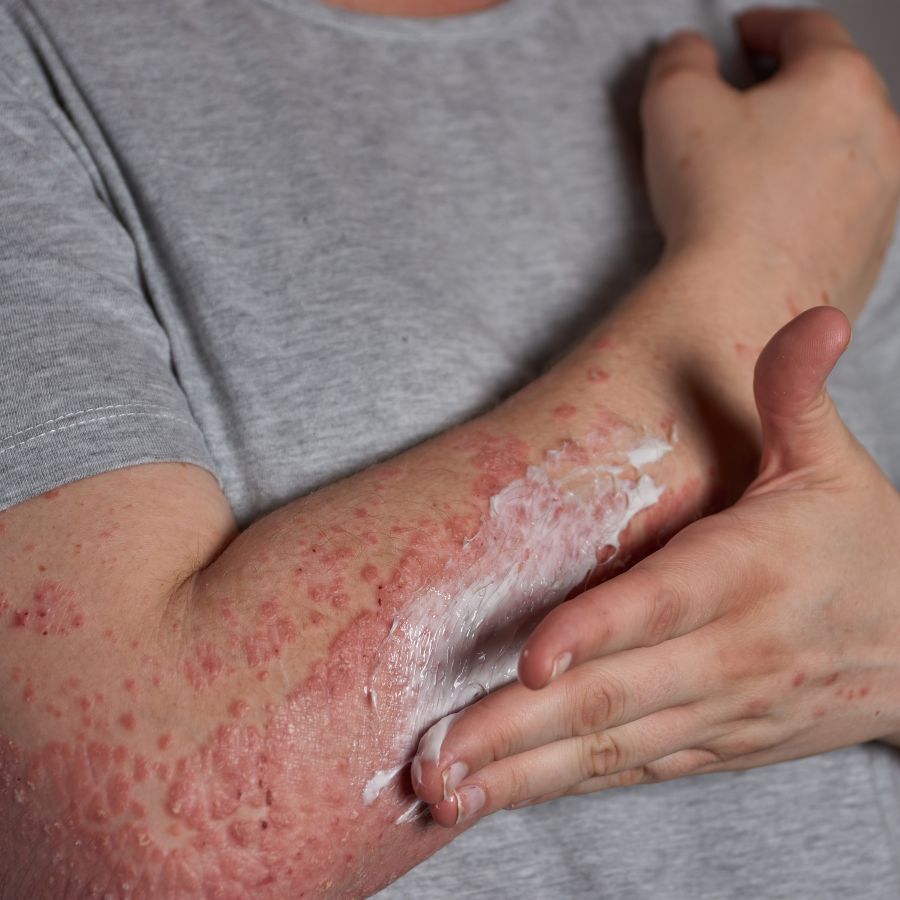
This is a rare form of psoriasis characterized by the presence of sterile pustules, redness, and painful inflammatory lesions affecting the hands and feet. The condition is inflammatory in nature and typically follows a course marked by periods of exacerbation and remission.

AD is a problem experienced both by adults and children. According to epidemiology statistics, persons under 18 experience this disease almost 10 time more often than adults.
Vitiligo is a chronic skin disease characterized by the loss of pigment in the skin, leading to the formation of white patches.
This disease causes stigmatization and leads to different bothersome symptoms, such as itching, burning, sometimes even pain.
Childhood psoriasis, similarly to adult psoriasis, is a chronic, autoimmune disease with periodic remissions and exacerbations.
Alopecia areata is a condition leading to localized hair loss, most commonly affecting adult women and men, but also it might also be experienced by children and adolescents. The condition is characterized by sudden hair loss, usually in oval or circular patches.
Program directed to children and teenagers of 6 to 18 years of age with diagnosed alopecia areata
Hives is a skin condition characterized by specific wheals, redness, and itching. Hives is often accompanied by swelling known as angioedema.
Acne is a common skin condition experienced by both teenagers and adults. It is characterized by blackheads, papules, pustules and purulent cysts, mainly on the face, neck, arms, upper back and chest.

Bullous pemphigoid is the most common subepidermal autoimmune bullous disease. It occurs in older age, after the age of 65, and rarely affects children.

Step 1

Do you want to participate in a clinical trial? It’s simple. You just need to fill in a short registration form. Our team will contact you for an initial interview to check if the trial is suitable for you. Don’t worry, we will answer all your questions!
Step 2

After the initial qualification, we will invite you for an appointment with a doctor conducting the trial. The doctor will be available for you to tell you more about the trail, discuss any possible doubts and check the condition of your health.
The appointment is free-of-charge and non-committal.
Step 3

You are completely free to make your own decision about participating in the trial. After the meeting, you will have time to think through all the information. If you decide to participate, we will sign suitable documents and get you ready for next steps.
Step 4

After you make a decision, the actual part of the trial starts. You can always count on our support and use regular consultations.


