

Nephrology is a field of medicine that deals with diagnosing and treating kidney diseases, both those of an acute and of a chronic course. In times of a growing number of patients with chronic kidney disease (CKD) or nephropathic syndromes, innovative therapies play a key role.
Why are clinical trials in nephrology so important?
Clinical trials in nephrology allow to verify the effectiveness and safety of new nephroprotective drugs, therapies delaying the progression of CKD, and treatment strategies for metabolic and cardiovascular complications associated with kidney diseases.


Our trials are carried out by qualified dermatologists and certified clinical research coordinators. We collaborate with experts who combine clinical knowledge with a passion for science.

Our site carried out an extensive range of clinical trials in dermatology, including both oral medications, topical therapies, and modern biological treatments for inflammatory skin diseases. We collaborate with renowned industry partners and research centres, which allows us to offer patients participation in innovative therapeutic projects.

Each study is conducted in accordance with international guidelines (ICH-GCP) and under the constant supervision of a monitoring team. For us, not only the scientific results are important, but above all, patient safety and well-being.

Our research sites are equipped with high quality diagnostic equipment, allowing for a complex assessment of health state and the effectiveness of therapy during the study.
Participating in a trial is not only the possibility to use advanced therapies before they are introduced to common treatment practice. It also means:

Detailed diagnostics
and constant care of specialists

Free-of-charge
treatment as a part of
the trial participation

A real impact on the
development of new
treatment methods

A chance to improve
your quality of life
when suffering from c
hronic or difficult to
treat diseases

Below you’ll find a list of currently conducted clinical trials for which we’re recruiting.
Check if you’re eligible to participate; our specialists will answer your questions and guide you through the entire qualification process.
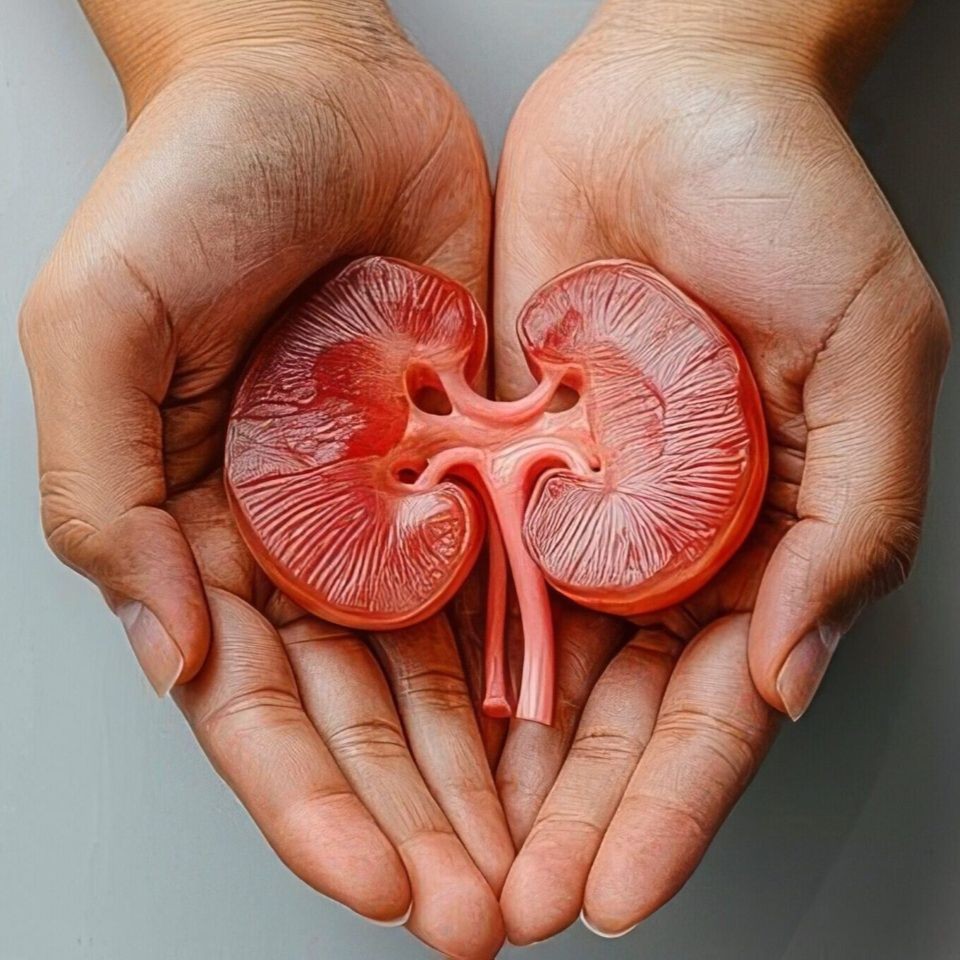
Chronic kidney disease (CKD) combined with hypertension (HTN) constitute a serious therapeutic challenge due to both conditional affecting each other mutually.

Chronic kidney disease (CKD) is a condition that often accompanies diabetes, especially type 2 diabetes. At the same time, diabetes is one of the most frequent reasons for CKD, and this condition is called diabetic nephropathy.

Step 1

Do you want to participate in a clinical trial? It’s simple. You just need to fill in a short registration form. Our team will contact you for an initial interview to check if the trial is suitable for you. Don’t worry, we will answer all your questions!
Step 2

After the initial qualification, we will invite you for an appointment with a doctor conducting the trial. The doctor will be available for you to tell you more about the trail, discuss any possible doubts and check the condition of your health.
The appointment is free-of-charge and non-committal.
Step 3

You are completely free to make your own decision about participating in the trial. After the meeting, you will have time to think through all the information. If you decide to participate, we will sign suitable documents and get you ready for next steps.
Step 4

After you make a decision, the actual part of the trial starts. You can always count on our support and use regular consultations.


